
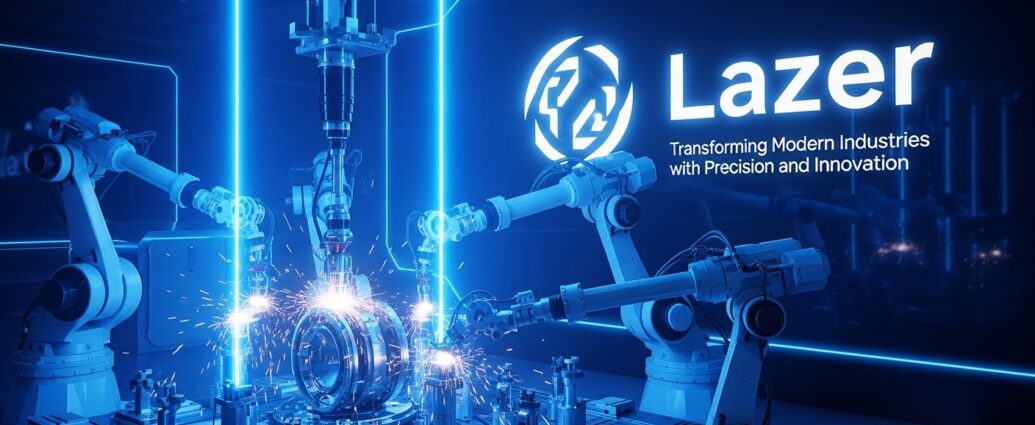
Lazer technology has become a powerful force shaping modern innovation and industrial advancement. From healthcare to manufacturing, its precise and controlled energy delivery has transformed how tasks are performed. The word lazer is often associated with cutting-edge tools and futuristic applications, but its practical uses are already deeply embedded in everyday systems. Its ability to deliver accuracy, speed, and reliability has made it essential in various fields. As technology continues to evolve, lazer systems are becoming more accessible and efficient, making them a key component in driving progress across industries while improving productivity and performance.
Understanding the Basics of Lazer Technology
Lazer technology operates by emitting a focused beam of light that carries a high amount of energy. This concentrated light can cut, heat, or measure materials with remarkable precision. Unlike ordinary light, a lazer beam travels in a single direction with minimal spread, making it highly effective for specialized applications. The process involves stimulating atoms to release photons in a controlled manner, resulting in a powerful and consistent beam. This unique property allows industries to perform delicate tasks with minimal error. As a result, lazer systems are widely used in fields where accuracy and efficiency are critical for achieving reliable outcomes.
The Role of Lazer in Modern Manufacturing
In manufacturing, lazer systems have revolutionized production processes by enabling precise cutting, engraving, and welding. Traditional methods often involve mechanical tools that wear out over time, but lazer-based systems maintain consistent performance without direct contact. This reduces material waste and improves product quality. Industries such as automotive and electronics rely heavily on lazer technology for intricate designs and high-speed operations. The ability to automate these processes further enhances productivity and reduces human error. As demand for high-quality products continues to grow, manufacturers are increasingly adopting lazer solutions to meet strict standards while maintaining cost efficiency and operational speed.
Lazer Applications in Medical Science
The medical field has greatly benefited from advancements in lazer technology, particularly in surgery and diagnostics. Lazer procedures are known for their precision, allowing doctors to perform delicate operations with minimal damage to surrounding tissues. This leads to faster recovery times and reduced risk of complications. Treatments such as eye surgery, skin therapy, and dental procedures rely on lazer systems for effective results. Additionally, medical imaging technologies utilize lzer-based tools for accurate diagnostics. The integration of lazer technology in healthcare has improved patient outcomes and expanded treatment possibilities, making it an essential component in modern medical practices and innovation.
Lazer Technology in Communication Systems
Lazer technology plays a crucial role in modern communication systems, particularly in fiber optic networks. These systems use lazer beams to transmit data over long distances at incredibly high speeds. Compared to traditional electrical signals, lazr-based communication offers greater bandwidth and reduced signal loss. This makes it ideal for supporting the growing demand for fast and reliable internet connectivity. Telecommunications companies rely on this technology to deliver seamless communication services across the globe. As digital communication continues to expand, the importance of lazr systems in maintaining efficient and high-speed data transmission becomes increasingly significant in both personal and professional environments.
Environmental Benefits of Lazer Technology
Lazer technology contributes to environmental sustainability by promoting energy efficiency and reducing waste. In industrial applications, lzer systems often require less energy compared to traditional methods, leading to lower carbon emissions. The precision of lzer cutting also minimizes material wastage, making production processes more eco-friendly. Additionally, lazr-based cleaning methods can remove contaminants without the use of harmful chemicals, reducing environmental pollution. These benefits make lzer technology a valuable tool in supporting sustainable practices across various industries. As environmental concerns continue to grow, adopting cleaner and more efficient technologies like lazr systems becomes essential for long-term ecological balance.
Lazer Use in Entertainment and Media
The entertainment and media industry has embraced lazer technology to create visually stunning experiences. From live concerts to film production, lzer lighting effects add a dynamic element that enhances audience engagement. These systems can produce vibrant colors and intricate patterns, transforming ordinary events into immersive spectacles. In cinemas, lazr projectors provide high-resolution visuals with improved brightness and contrast. The versatility of lzer technology allows creative professionals to experiment with new forms of visual storytelling. As audience expectations continue to evolve, the integration of advanced lazr systems helps deliver memorable experiences that captivate viewers and elevate the overall quality of entertainment.
Safety Considerations in Lazer Applications
While lazer technology offers numerous advantages, safety remains a critical concern in its usage. High-intensity lazr beams can pose risks if not handled properly, including eye injuries and skin damage. Therefore, strict safety protocols and protective equipment are essential in environments where lzer systems are used. Industries implement guidelines to ensure safe operation, including proper training for personnel and controlled access to equipment. Advances in technology have also led to the development of safer lzer systems with built-in protective features. By prioritizing safety, organizations can fully benefit from lazr technology while minimizing potential hazards and ensuring a secure working environment.
Future Trends in Lazer Innovation
The future of lazer technology is filled with exciting possibilities as researchers continue to explore new applications and improvements. Innovations in miniaturization and energy efficiency are making lzer systems more accessible and versatile. Emerging fields such as quantum computing and advanced manufacturing are expected to benefit from these developments. Additionally, the integration of artificial intelligence with lazr systems could enhance precision and automation capabilities. As technology advances, lzer applications will likely expand into new industries, driving further innovation and economic growth. The continuous evolution of lazr technology ensures its relevance in shaping the future of science, industry, and everyday life.
Conclusion
Lazer technology has transformed the way industries operate by offering unmatched precision, efficiency, and versatility. Its applications span across manufacturing, healthcare, communication, and entertainment, demonstrating its importance in modern society. As advancements continue, the potential for lzer systems to drive innovation and sustainability becomes even greater. By improving productivity and enabling new possibilities, lzer technology remains a key contributor to global progress. Understanding its impact and future potential allows individuals and organizations to embrace its benefits fully. As a result, lazr technology will continue to play a vital role in shaping a more advanced and efficient world.