
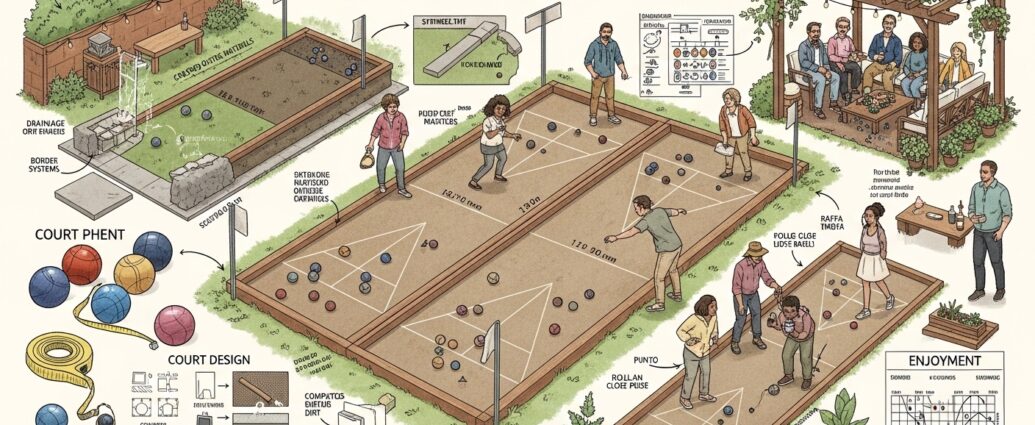
Bocce ball is a classic game that has entertained families and friends for generations, offering both competition and leisure in outdoor settings. A bocce ball court is essential for an authentic playing experience, providing the right surface, dimensions, and layout to ensure fair and enjoyable gameplay. Whether you are planning to build a backyard court or install one in a community park, understanding the elements of a bocce ball court is key. This article explores everything from court dimensions to materials, maintenance, and gameplay strategies, giving readers a comprehensive guide to creating the perfect bocce environment.
Understanding Bocce Ball Court Dimensions
The dimensions of a bocce ball court play a crucial role in ensuring a standardized and enjoyable game. A regulation bocce ball court typically measures 13 feet in width and 91 to 120 feet in length. The playing surface should be flat and level to allow smooth ball movement. Borders or sideboards, usually made of wood, stone, or synthetic materials, define the court boundaries and prevent balls from rolling out. While backyard courts can be slightly smaller, adhering to standard dimensions ensures the game remains challenging and consistent. Proper measurements enhance both recreational and competitive play.
Choosing the Right Surface for Your Court
Selecting the appropriate surface material is vital for a functional bocce ball court. Traditional courts use crushed stone, decomposed granite, or clay to create a firm yet slightly forgiving surface. Grass courts are also popular in casual settings but may affect ball movement due to uneven terrain. Artificial turf provides a low-maintenance option that simulates natural surfaces while offering consistent play. The surface must allow the balls to roll smoothly without excessive bouncing or slowing down. Proper drainage should also be considered to prevent water accumulation and maintain the court’s usability throughout the year.
Materials and Construction of Bocce Ball Court Borders
Borders or sideboards are essential in defining a bocce ball court and ensuring fair play. These borders can be made from treated wood, concrete, bricks, or composite materials, depending on aesthetics and durability. Wooden boards are easy to install and provide a classic look, while concrete or stone borders offer long-lasting resilience. The borders should be firmly secured to prevent movement during gameplay. Properly constructed sideboards also allow for strategic bank shots, adding an extra layer of gameplay complexity. Choosing the right materials contributes to both the appearance and functionality of the court.
Lighting and Accessibility Considerations
Lighting and accessibility are important factors when planning a bocce ball court, especially for evening games and public use. Installing low-level or overhead lights can extend playing hours while maintaining visibility and safety. Pathways around the court should be smooth and free of obstacles to accommodate players of all ages and abilities. Accessibility includes considering wheelchair-friendly surfaces and seating areas. A well-lit and accessible court enhances the overall experience, encourages participation, and ensures that players can enjoy the game comfortably in different conditions.
Maintenance Tips for Longevity
Maintaining a bocce ball court is essential to preserve its quality and playability over time. Regularly leveling the surface and removing debris prevents uneven rolling of the balls. Surfaces like decomposed granite or clay may require occasional raking and replenishing to maintain firmness. Wooden borders should be checked for rot or warping, while artificial turf may need brushing and cleaning. Proper irrigation and drainage prevent water damage, while covering the court when not in use extends its lifespan. Routine maintenance ensures that the court remains safe, attractive, and enjoyable for both casual and competitive play.
Strategic Gameplay on a Bocce Ball Court
Understanding court dimensions and surface characteristics enhances strategic gameplay. Players can utilize bank shots off the sideboards or adjust their throwing techniques based on surface friction. The length and width of the court allow for different angles and tactics, encouraging both offensive and defensive strategies. Experienced players analyze ball positioning, pace, and trajectory to gain an advantage. A well-designed bocce ball court facilitates a dynamic game where skill and strategy are rewarded. The combination of surface quality, court dimensions, and player knowledge creates a competitive yet enjoyable environment.
Indoor vs Outdoor Bocce Ball Courts
Bocce ball courts can be installed both indoors and outdoors, each offering unique benefits. Outdoor courts provide a natural setting and can accommodate longer playing lengths, while indoor courts allow year-round gameplay regardless of weather. Indoor surfaces are often synthetic or wood-based, while outdoor courts use gravel, sand, or turf. Climate, space availability, and intended usage influence the choice between indoor and outdoor installation. Proper design in either setting ensures smooth gameplay, safety, and player comfort, making the experience enjoyable regardless of location.
Social and Recreational Benefits of Bocce Ball
A bocce ball court encourages social interaction, teamwork, and friendly competition. It is suitable for gatherings, parties, and community events, promoting physical activity and engagement across all ages. The game’s simplicity allows beginners to participate while still challenging experienced players. Regular use of a bocce court strengthens social bonds, enhances coordination, and provides a relaxing outdoor activity. By creating a dedicated space for bocce, communities and households can enjoy a recreational area that fosters enjoyment, connection, and wellness through active and shared experiences.
Choosing the Ideal Location for Your Court
Selecting the right location for a bocce ball court ensures usability, safety, and enjoyment. The site should be level, spacious, and away from obstacles such as trees or uneven terrain. Proper drainage is crucial to prevent water pooling, and sunlight exposure should be considered to avoid glare during play. Proximity to seating areas or amenities enhances comfort for players and spectators. Choosing an accessible and visually appealing location also contributes to the court’s longevity and appeal. Thoughtful placement maximizes the value of the court, making it a central hub for recreation and community engagement.
Conclusion
Building and maintaining a bocce ball court requires careful planning, attention to materials, and understanding of gameplay principles. From selecting the right surface and dimensions to ensuring proper maintenance and accessibility, every element contributes to a high-quality playing experience. A well-designed court not only provides hours of enjoyment but also encourages social interaction, strategic play, and outdoor activity. Whether for personal backyard use or public recreation areas, investing in a bocce ball court creates a space that is both functional and inviting for players of all skill levels.