
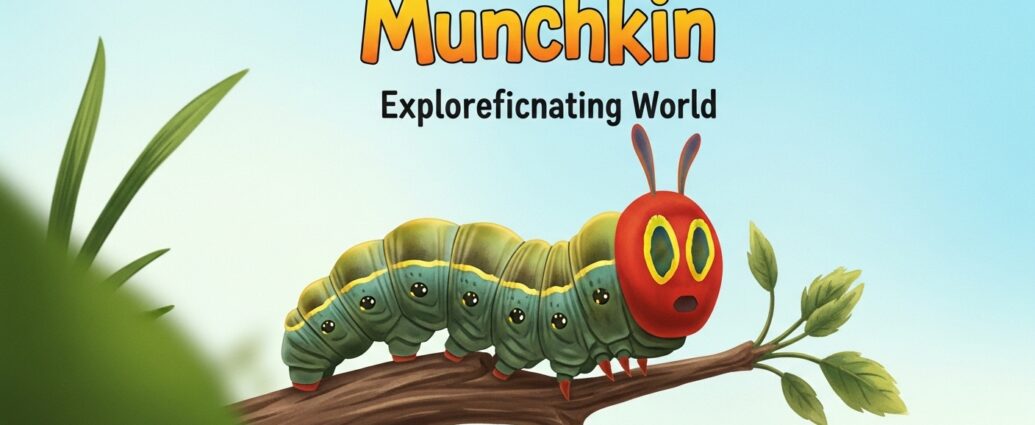
The munchkin caterpillar is one of nature’s intriguing creatures, captivating both gardeners and insect enthusiasts with its unique appearance and behaviors. Known for its small size and striking patterns, this caterpillar is often overlooked but plays an essential role in the ecosystem. Observing its development from larva to butterfly or moth can be an educational and rewarding experience. Understanding the munchkin caterpillar’s habitat, diet, and life cycle provides valuable insights into biodiversity and the delicate balance of natural environments. This article delves into various aspects of this remarkable insect.
Understanding the Munchkin Caterpillar’s Physical Features
The munchkin caterpillar is recognized for its diminutive size and distinct body markings, which often serve as camouflage against predators. Its soft, segmented body typically displays bright or earthy colors, helping it blend into leaves and branches. The head is proportionally small but equipped with mandibles designed for efficient leaf consumption. Some species also exhibit tiny spines or hairs that deter predators and provide sensory input. Observing these features closely can reveal fascinating adaptations for survival. Studying its anatomy helps scientists understand how small insects thrive in complex ecosystems while contributing to plant health and pollination indirectly.
Habitat and Natural Distribution
Munchkin caterpillars are commonly found in regions with abundant vegetation, particularly in gardens, forests, and areas with flowering plants. They prefer temperate to subtropical climates where their host plants are plentiful. These caterpillars often reside on the underside of leaves, providing protection from birds and other predators. Their distribution is influenced by factors such as climate, plant availability, and environmental changes. By monitoring their habitats, researchers can assess ecological health and biodiversity. Gardeners and nature enthusiasts can also encourage their presence by cultivating plants that provide both food and shelter, supporting the survival and growth of these tiny but significant insects.
Diet and Feeding Habits
Munchkin caterpillars are primarily herbivores, feeding on a variety of leaves and tender plant shoots. Their preference for specific host plants can vary depending on the species and local environment. Feeding usually occurs during the night or early morning to reduce exposure to predators. As they consume foliage, they play a role in natural pruning, which can stimulate new plant growth. However, large populations may damage garden plants if not monitored. Understanding their diet helps in managing their presence while appreciating their ecological contributions. Their selective feeding also aids in studying plant-insect interactions and contributes to maintaining healthy garden ecosystems.
Life Cycle and Development Stages
The life cycle of a munchkin caterpillar consists of four primary stages: egg, larva, pupa, and adult. After hatching from eggs, the caterpillar begins feeding and growing rapidly, shedding its skin several times during the larval stage. Once fully grown, it forms a cocoon or chrysalis, undergoing metamorphosis. The transformation period varies based on species and environmental conditions. The adult that emerges is often a butterfly or moth, completing the cycle. Observing these stages offers a unique glimpse into the natural process of metamorphosis and highlights the intricate biological mechanisms that support growth, survival, and reproduction in small insect species like the munchkin caterpillar.
Predators and Survival Strategies
Despite their small size, munchkin caterpillars face numerous threats from birds, spiders, and other insects. To survive, they rely on camouflage, blending seamlessly with their surroundings to avoid detection. Some species also use toxic or distasteful chemicals stored in their bodies as a defense mechanism. Their slow, deliberate movements reduce visibility, and certain caterpillars adopt postures that mimic plant stems or leaf veins. Studying these survival strategies demonstrates the delicate balance between predator and prey in natural ecosystems. It also emphasizes how even tiny creatures like the munchkin caterpillar have evolved complex behaviors to thrive in environments filled with potential dangers.
Role in the Ecosystem
Munchkin caterpillars play a vital role in maintaining ecological balance. By feeding on plant leaves, they help control vegetation growth and support nutrient cycling. They serve as a food source for birds, small mammals, and other insects, linking different levels of the food chain. Additionally, their metamorphosis into adult butterflies or moths aids in pollination, contributing to plant reproduction. Observing these interactions highlights their significance beyond their small size. Protecting their habitats ensures biodiversity and ecosystem resilience. Their presence can be an indicator of environmental health, reflecting how well local flora and fauna coexist and sustain each other in balanced ecosystems.
Common Species and Variations
There are several species classified as munchkin caterpillars, each with unique physical traits and behaviors. Variations include differences in color patterns, size, and preferred host plants. Some exhibit bright, warning colors to ward off predators, while others rely solely on camouflage. Geographic distribution also affects species diversity, with certain types more prevalent in tropical regions and others in temperate zones. Recognizing these differences allows entomologists and hobbyists to identify and study them accurately. Understanding the diversity within the munchkin caterpillar group enhances appreciation for insect adaptation and evolution, shedding light on how environmental pressures shape species characteristics over time.
Tips for Observing and Studying
For enthusiasts interested in studying munchkin caterpillars, careful observation is key. Avoid disturbing their natural habitat, and document feeding patterns, behaviors, and developmental stages. Providing host plants in gardens can attract these caterpillars, allowing close study without interfering with survival. Photography and note-taking are effective methods for recording observations over time. Understanding their behaviors, growth stages, and interactions with other species can offer insights into broader ecological dynamics. Observing munchkin caterpillars fosters environmental awareness and provides opportunities for scientific exploration, particularly in understanding insect life cycles, adaptations, and their contribution to ecosystem balance.
Conservation and Environmental Importance
Munchkin caterpillars, like many small insects, face threats from habitat destruction, pollution, and pesticide use. Conserving natural habitats and encouraging organic gardening practices can support their populations. Protecting them ensures the survival of species that contribute to pollination and serve as a food source for higher organisms. Educating the public about their ecological importance can foster respect for even the smallest creatures in our environment. Conservation efforts not only preserve biodiversity but also enhance ecosystem stability. By safeguarding munchkin caterpillars and their habitats, humans contribute to the health and resilience of natural landscapes, ensuring that these remarkable insects continue to thrive for generations.
Conclusion
The munchkin caterpillar, though small and often unnoticed, is a fascinating creature with vital ecological roles. Its unique features, diverse species, and intricate life cycle illustrate the complexity of nature’s design. By understanding its habits, diet, and survival strategies, we gain insight into how even tiny insects sustain ecosystems. Conservation and mindful observation allow both researchers and enthusiasts to appreciate their contribution to biodiversity. Protecting munchkin caterpillars ensures the continuation of natural processes that support plants, pollinators, and predators alike, highlighting the importance of every organism, no matter how small, in maintaining environmental harmony.