
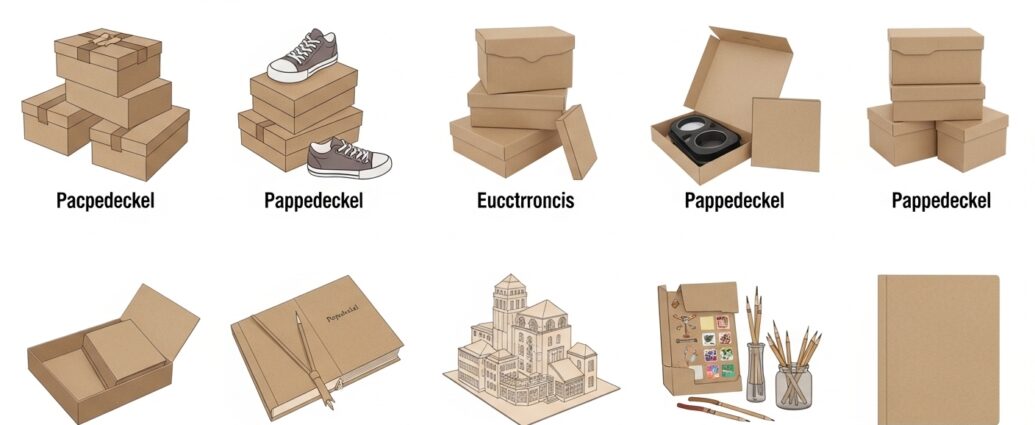
Pappedeckel is a versatile material commonly recognized as a sturdy form of cardboard used in packaging, crafts, and industrial applications. It plays an essential role in modern life, even though many people overlook its significance. From protecting goods during transport to supporting creative projects, pappedeckel offers durability and flexibility. Its lightweight nature combined with strength makes it a preferred choice across various industries. Understanding how pappedeckel functions and why it is widely used can help individuals and businesses make smarter decisions. This article explores its features, applications, and importance in today’s world.
What Is Pappedeckel and Why It Matters
Pappedeckel refers to a thick, durable cardboard material made from compressed paper pulp. It is widely used due to its strength and ability to maintain structure under pressure. Unlike regular paper, pappedeckel is designed to withstand weight and resist bending, making it ideal for packaging and storage. It matters because it provides a cost-effective and eco-friendly alternative to plastic materials. Businesses rely on it for safe product transportation, while individuals use it for everyday storage needs. Its importance continues to grow as industries shift toward sustainable and recyclable materials in response to environmental concerns.
Common Uses of Pappedeckel in Packaging
Pappedeckel is heavily used in packaging because of its durability and protective qualities. It is commonly found in shipping boxes, product packaging, and protective layers for fragile items. Companies prefer it because it can be easily shaped, cut, and printed on for branding purposes. Its ability to absorb shocks helps reduce damage during transportation. Additionally, pappedeckel can be layered to increase strength for heavier products. This makes it suitable for industries such as electronics, food, and retail. Its reliability and affordability have made it one of the most trusted materials for packaging solutions worldwide.
Role of Pappedeckel in Sustainable Practices
Sustainability has become a major focus globally, and pappedeckel plays a significant role in supporting eco-friendly practices. It is made primarily from recycled paper materials, which reduces the need for new raw resources. Unlike plastic, it decomposes naturally, minimizing environmental impact. Many companies are now switching to pappedeckel packaging to meet environmental standards and reduce waste. Its recyclability allows it to be reused multiple times, promoting a circular economy. As awareness about environmental protection increases, pappedeckel continues to gain popularity as a responsible material choice for both businesses and consumers.
Advantages of Using Pappedeckel Material
One of the main advantages of pappedeckel is its balance between strength and weight. It is strong enough to protect goods while remaining lightweight, which helps reduce shipping costs. It is also easy to customize, allowing businesses to create unique packaging designs. Another benefit is its affordability, making it accessible for small and large companies alike. Additionally, pappedeckel is safe to handle and does not contain harmful chemicals. Its versatility allows it to be used in various applications, from packaging to crafting. These advantages make it a practical and efficient material for everyday use.
Pappedeckel in Creative and DIY Projects
Beyond industrial uses, pappedeckel is widely used in creative and do-it-yourself projects. Artists and hobbyists appreciate its sturdy texture and ease of cutting and shaping. It is often used for making models, decorations, and educational materials. Schools and workshops frequently rely on pappedeckel for art activities because it is safe and affordable. Its adaptability allows for painting, gluing, and layering, making it ideal for creative expression. Whether used for simple crafts or complex designs, pappedeckel provides a reliable foundation. Its popularity in creative fields highlights its versatility beyond traditional packaging purposes.
Industrial Applications of Pappedeckel
In industrial settings, pappedeckel serves multiple functions due to its strength and adaptability. It is used for protective layering, insulation, and structural support in packaging systems. Manufacturers rely on it to separate and secure products during shipping. It is also used in furniture design and construction as a lightweight yet durable component. Its ability to withstand pressure and maintain shape makes it suitable for demanding environments. Additionally, pappedeckel can be treated to enhance its resistance to moisture and wear. These qualities make it an essential material in various industrial processes and production systems.
How Pappedeckel Supports Cost Efficiency
Cost efficiency is a major factor in material selection, and pappedeckel excels in this area. It is relatively inexpensive to produce compared to alternatives like plastic or metal. Its lightweight nature reduces transportation costs, making it an economical choice for businesses. Additionally, its recyclability lowers waste management expenses. Companies can also benefit from its easy customization, reducing the need for additional packaging materials. By using papedeckel, businesses can achieve both financial savings and operational efficiency. This makes it a preferred option for organizations looking to balance quality and cost in their operations.
Challenges and Limitations of Pappedeckel
Despite its many benefits, pappedeckel does have some limitations. It is not as resistant to water and moisture as plastic, which can affect its durability in certain conditions. Prolonged exposure to humidity can weaken its structure and reduce its effectiveness. Additionally, it may not be suitable for extremely heavy or sharp objects without reinforcement. While treatments can improve its performance, these may increase costs. Understanding these challenges helps users choose the right applications for papedeckel. By addressing its limitations properly, it can still be used effectively in a wide range of scenarios.
Future Trends and Innovations in Pappedeckel
The future of pappedeckel looks promising as industries continue to innovate and improve its properties. New technologies are being developed to enhance its strength, water resistance, and durability. Researchers are also exploring ways to make it even more sustainable by using advanced recycling techniques. Smart packaging solutions using papedeckel are emerging, offering better protection and tracking capabilities. As environmental regulations become stricter, demand for eco-friendly materials like papedeckel is expected to rise. These innovations will likely expand its applications and reinforce its importance in modern industries and daily life.
Conclusion
Pappedeckel is more than just a simple cardboard material; it is a vital component in packaging, sustainability, and creative industries. Its strength, affordability, and eco-friendly nature make it a valuable resource for businesses and individuals alike. While it has some limitations, ongoing advancements continue to improve its performance and versatility. As the world moves toward more sustainable solutions, pappedckel is set to play an even greater role. Understanding its uses and benefits helps highlight its importance in everyday life and its potential for future growth in a wide range of applications.