
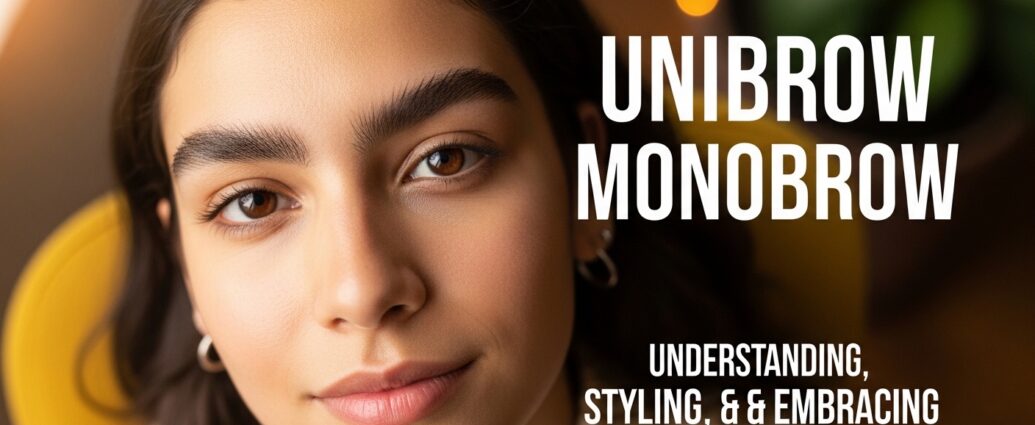
The unibrow monobrow has long been a distinctive facial feature that draws attention and sparks conversation. While beauty standards often encourage separation of eyebrows, the unibrow monobrow has its own cultural, historical, and aesthetic significance. People with this feature may face varying opinions, but it is increasingly recognized as a symbol of uniqueness and self-expression. Understanding the causes, styling options, and societal perceptions of the unibrow monobrow can help individuals embrace it confidently. This article explores every aspect of this feature, offering insights into care, fashion, and cultural relevance.
What is a Unibrow Monobrow
A unibrow monobrow occurs when the eyebrows grow together, forming a continuous line across the forehead. It is a natural feature determined largely by genetics, although hormonal factors can influence hair growth patterns. The prominence of a unibrow monobrow varies from person to person, with some having light, subtle hair and others displaying a thicker, more defined connection. While some consider it a bold statement, others choose grooming methods to separate the eyebrows. Understanding the unibrow monobrow as a natural variation can help challenge conventional beauty norms and encourage acceptance of individual traits.
Genetic Factors Behind the Unibrow Monobrow
The development of a unibrow monobrow is primarily influenced by genetics. Specific genes determine the density, thickness, and growth direction of eyebrow hair, making this feature more common in certain families and ethnic backgrounds. In some populations, a connected eyebrow is seen as a sign of beauty, wisdom, or strength. Hormonal changes during adolescence and adulthood can also impact the prominence of the unibrow monobrow. Recognizing the genetic basis helps individuals understand that this feature is natural and inherited, rather than a flaw, and supports a more positive perspective on embracing one’s unique facial characteristics.
Historical and Cultural Significance
Throughout history, the unibrow monobrow has held varying cultural meanings. In ancient civilizations, such as in Egypt and Greece, a connected eyebrow was often admired and considered a mark of distinction. In modern times, cultural perceptions vary widely, with some communities celebrating it as a beauty trait and others encouraging its removal. Artists and icons, like Frida Kahlo, have famously embraced the unibrow monobrow, turning it into a symbol of individuality and confidence. Exploring these cultural dimensions highlights how societal attitudes toward this feature have evolved and emphasizes the growing acceptance of diverse beauty standards.
Common Misconceptions and Stereotypes
Despite its natural occurrence, the unibrow monobrow is often subject to stereotypes. Some people associate it with unkempt appearance or negative traits, which can lead to unnecessary social pressure. These misconceptions are largely influenced by media portrayals and cultural expectations rather than reality. By educating people about the normalcy and diversity of eyebrow shapes, individuals with a unibrow monobrow can feel more empowered. Dispelling stereotypes allows society to appreciate facial uniqueness, while also encouraging self-expression. Understanding these misconceptions helps foster acceptance and reduces the stigma that sometimes surrounds this natural feature.
Grooming and Styling Options
For those who prefer to shape their unibrow monobrow, there are several grooming and styling options available. Methods include trimming, tweezing, threading, and waxing, allowing individuals to define or separate the eyebrows according to personal preference. Some choose to enhance the natural shape using makeup techniques such as eyebrow pencils or powders. While grooming can alter appearance temporarily, it is important to maintain healthy hair and skin to prevent irritation. Styling decisions are highly personal, and whether to maintain, modify, or fully embrace a unibrw monobrow depends on one’s comfort and aesthetic goals.
Embracing the Unibrow Monobrow
Embracing a unibrow monobrow involves recognizing it as a unique feature rather than a flaw. Many individuals are increasingly choosing to highlight their natural eyebrows as a form of self-expression and empowerment. Confidence plays a key role in acceptance, and public figures who celebrate their unibrow monobro inspire others to do the same. Wearing this feature proudly can challenge conventional beauty ideals and encourage diversity in appearance. Embracing a unibrow monobro is a personal choice that fosters self-love, encourages individuality, and promotes a broader understanding of beauty that goes beyond societal norms.
Health and Care Considerations
Caring for the unibrow monobrow is essential to maintain healthy hair and skin. Regular cleaning, gentle exfoliation, and moisturizing help prevent irritation or ingrown hairs. Those who opt for grooming should avoid excessive plucking or harsh chemicals that can damage the hair follicle. Additionally, maintaining balanced nutrition and overall health supports hair growth and skin vitality. Awareness of skin sensitivities and proper hygiene ensures that whether an individual chooses to keep or shape their unibrow monobrw, it remains healthy and presentable. A thoughtful care routine promotes both aesthetic appeal and overall facial wellness.
Modern Trends and Fashion Influence
The unibrow monobrow has become increasingly popular in modern fashion and beauty trends. Influencers, models, and artists have embraced this feature, incorporating it into editorial looks and social media campaigns. Fashion shows and photo shoots highlight the unibrow monobrow as a statement of confidence and individuality, challenging traditional beauty standards. This growing visibility encourages people to reconsider their perceptions and see the feature as stylish and expressive. Modern trends demonstrate that the unibrow monobrw is not only acceptable but can also be celebrated as a bold fashion choice, blending personal identity with aesthetic innovation.
The Psychological Impact of Accepting Facial Uniqueness
Accepting a unibrow monobrow can have positive psychological effects. Embracing natural features promotes self-esteem, body positivity, and overall mental well-being. Individuals who resist societal pressure to conform often report greater confidence and a stronger sense of identity. This acceptance also fosters resilience against criticism and judgment. Encouraging a mindset that values uniqueness helps people feel more comfortable in their own skin, inspiring others to celebrate their distinct traits. Recognizing the psychological benefits of embracing a unibrow monobro reinforces the importance of redefining beauty standards and supporting self-expression in everyday life.
Conclusion
The unibrow monobrow is a natural and unique facial feature with cultural, aesthetic, and personal significance. Understanding its origins, embracing its individuality, and exploring grooming or styling options empowers individuals to confidently express themselves. Modern trends and societal shifts are helping to redefine beauty standards, highlighting the unibrow monobro as a symbol of uniqueness and self-assurance. By celebrating this feature, people can challenge conventional norms, foster self-love, and inspire others to appreciate diversity in appearance, making the unibrow monobrw a remarkable and meaningful expression of identity.