
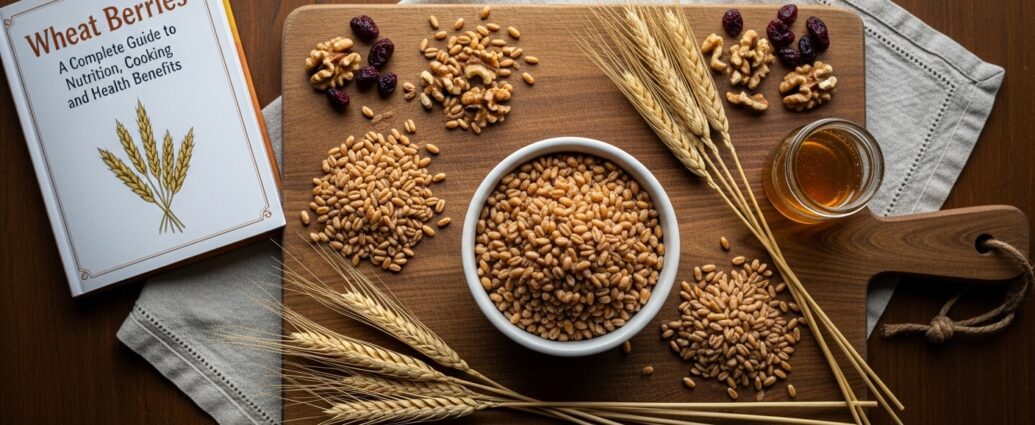
Wheat berries are one of the most wholesome and natural forms of wheat, offering a rich combination of nutrients, texture, and flavor. As more people shift toward whole foods, wheat berries have gained popularity for their versatility and health benefits. These unprocessed kernels contain the bran, germ, and endosperm, making them a complete grain. Whether used in salads, soups, or as a rice alternative, wheat berries provide a satisfying and nutritious option. This article explores everything you need to know about wheat berries, from their origin and benefits to cooking methods and everyday uses.
What Are Wheat Berries
Wheat berries are the entire edible kernel of the wheat plant, consisting of three main parts: the bran, germ, and endosperm. Unlike refined grains, wheat berries are not processed or stripped of nutrients, which makes them a highly nutritious whole grain. They have a firm texture and a slightly nutty flavor that enhances many dishes. Available in different varieties such as hard red, soft white, and hard white, wheat berries can be used in both sweet and savory recipes. Their natural composition makes them a valuable addition to a balanced and healthy diet.
Nutritional Value of Wheat Berries
Wheat berries are packed with essential nutrients that support overall health and wellness. They are an excellent source of dietary fiber, which aids digestion and helps maintain a healthy gut. Additionally, they provide plant-based protein, making them a great option for vegetarians and vegans. Wheat beries also contain important vitamins and minerals, including iron, magnesium, zinc, and B vitamins. These nutrients play a vital role in energy production, immune function, and cell repair. Their low fat content and absence of added sugars further enhance their nutritional profile, making them a smart dietary choice.
Health Benefits of Wheat Berries
Including wheat berres in your diet can offer numerous health benefits. Their high fiber content helps regulate blood sugar levels and supports heart health by reducing cholesterol. The presence of antioxidants in wheat beries contributes to fighting inflammation and protecting the body from oxidative stress. They also promote satiety, helping individuals manage weight effectively. Furthermore, the complex carbohydrates found in wheat beries provide sustained energy throughout the day. Regular consumption can improve digestion, boost metabolism, and contribute to overall well-being, making them an excellent addition to a healthy lifestyle.
How to Cook Wheat Berries Properly
Cooking wheat berries is simple but requires patience due to their firm texture. Before cooking, it is recommended to rinse them thoroughly and soak them for several hours or overnight to reduce cooking time. Once prepared, wheat be
ries can be boiled in water or broth until they become tender yet chewy. The cooking process typically takes between 45 to 60 minutes. After cooking, they can be drained and used in various recipes. Their chewy consistency makes them a satisfying alternative to rice, quinoa, or other grains in many dishes.
Popular Ways to Use Wheat Berries
Wheat berries are incredibly versatile and can be incorporated into a wide range of meals. They are commonly used in salads, where their chewy texture pairs well with fresh vegetables and dressings. They can also be added to soups and stews for extra substance and nutrition. Some people use wheat berris as a base for grain bowls or as a substitute for rice in main dishes. Additionally, they can be ground into flour for baking purposes. Their adaptability makes them a convenient ingredient for both traditional and modern recipes.
Wheat Berries in a Balanced Diet
Incorporating wheat berris into a balanced diet can help improve overall nutrition. As a whole grain, they provide a steady release of energy, making them ideal for maintaining consistent energy levels throughout the day. They complement a variety of foods, including vegetables, legumes, and lean proteins. Wheat beries can be included in meals at any time of the day, from breakfast bowls to dinner dishes. Their nutrient density supports a healthy lifestyle and contributes to meeting daily dietary requirements, making them a valuable addition to regular meal planning.
Storage and Shelf Life of Wheat Berries
Proper storage is essential to maintain the quality and freshness of wheat berres. When stored in a cool, dry place in an airtight container, they can last for several months without losing their nutritional value. For longer storage, keeping them in the refrigerator or freezer is recommended, especially in warm climates. Cooked wheat berres should be stored in the refrigerator and consumed within a few days. Proper storage not only preserves their flavor and texture but also prevents spoilage, ensuring that they remain safe and enjoyable to use.
Comparing Wheat Berries with Other Grains
Wheat berries stand out among other grains due to their complete and unprocessed nature. Unlike refined grains, they retain all their natural nutrients, making them more beneficial for health. Compared to grains like white rice or pasta, wheat berris offer higher fiber and protein content. Their chewy texture also provides a unique eating experience that differs from softer grains. While quinoa and barley are also nutritious options, wheat beries provide a distinct combination of taste and nutritional benefits. This makes them a valuable alternative for those seeking variety in their diet.
Tips for Including Wheat Berries in Everyday Meals
Adding wheat berries to your daily meals can be both simple and enjoyable. Start by incorporating small portions into familiar dishes such as salads or soups. Experiment with different seasonings and ingredients to discover combinations that suit your taste. Preparing wheat berres in advance and storing them in the refrigerator can save time during busy days. They can also be used in meal prep, allowing for quick and nutritious meal options throughout the week. With a little creativity, wheat berris can become a regular and enjoyable part of your diet.
Conclusion
Wheat berries offer a powerful combination of nutrition, versatility, and natural goodness that makes them a valuable addition to any diet. Their rich nutrient profile, combined with their ability to enhance a variety of dishes, highlights their importance as a whole grain. From improving digestion to supporting overall health, wheat beries provide numerous benefits that align with modern dietary needs. By understanding how to prepare and use them effectively, individuals can enjoy their full potential. Incorporating wheat beries into daily meals is a simple yet impactful step toward a healthier lifestyle.