
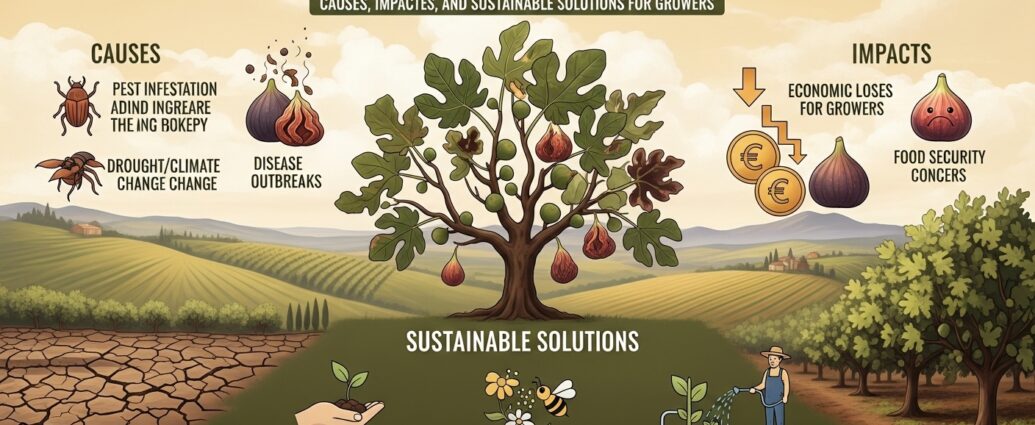
Italy has long been celebrated for its rich agricultural heritage, and figs are among its most cherished crops. However, in recent years, italian fig crop losses have become a growing concern for farmers, exporters, and policymakers. These losses not only affect local economies but also influence global supply chains and market prices. Understanding the underlying causes and exploring effective solutions is essential to protect this valuable crop. This article examines the key factors behind italian fig crop losses and highlights strategies that can help sustain production and ensure long-term agricultural stability.
Climate Change and Its Impact on Fig Production
One of the primary drivers of italian fig crop losses is climate change, which has altered weather patterns across the country. Rising temperatures, unpredictable rainfall, and prolonged droughts have disrupted the natural growth cycle of fig trees. These conditions can lead to reduced fruit quality and lower yields. In some regions, extreme weather events such as heatwaves or heavy storms have caused direct damage to crops. Farmers are finding it increasingly difficult to predict seasons, making planning and harvesting more challenging. As climate conditions continue to shift, the risk of italian fig crop losses is expected to rise significantly.
Pest Infestations and Plant Diseases
Pests and diseases play a major role in italian fig crop losses, threatening both the quality and quantity of harvests. Insects such as fruit flies and beetles can damage figs before they fully ripen, making them unsuitable for sale. Additionally, fungal infections and bacterial diseases can spread quickly, especially in humid conditions. These problems require constant monitoring and timely intervention. Without proper pest management strategies, entire orchards can be affected. The increasing resistance of pests to traditional treatments has further complicated the situation, making it essential for farmers to adopt more advanced and sustainable solutions.
Soil Degradation and Water Management Issues
Healthy soil and proper water management are crucial for successful fig cultivation, yet these factors are often overlooked. Soil degradation caused by overuse of chemicals, erosion, and poor farming practices has contributed to italian fig crop losses. Depleted soil lacks essential nutrients, resulting in weaker trees and reduced fruit production. At the same time, inefficient irrigation systems can either deprive trees of necessary water or expose them to excessive moisture. Both extremes negatively impact growth. Addressing soil health and improving water management techniques are essential steps toward reducing italian fig crop losses and ensuring consistent yields.
Economic Pressures on Italian Fig Farmers
Economic challenges also contribute significantly to italian fig crop losses. Rising production costs, including labor, fertilizers, and equipment, have placed a financial burden on farmers. At the same time, market prices for figs can fluctuate, making it difficult to achieve stable income. Many small-scale farmers struggle to invest in modern technologies or protective measures. This financial strain can lead to reduced maintenance of orchards, further increasing the risk of crop losses. Without adequate support and fair pricing systems, the sustainability of fig farming in Italy remains uncertain.
The Role of Traditional Farming Practices
Traditional farming methods have been passed down through generations, but they may not always be sufficient to address modern challenges. While these practices have cultural value, reliance on outdated techniques can contribute to italian fig crop losses. For example, limited use of technology or inefficient pest control methods can reduce productivity. However, blending traditional knowledge with modern innovations can create a balanced approach. By adopting improved practices while preserving heritage, farmers can enhance resilience and reduce losses without compromising the authenticity of Italian fig cultivation.
Technological Innovations in Fig Farming
Technology offers promising solutions to reduce italian fig crop losses and improve overall efficiency. Advanced tools such as precision agriculture, soil sensors, and automated irrigation systems allow farmers to monitor and manage their crops more effectively. Data-driven insights can help identify potential issues before they become serious problems. Additionally, the use of drones and satellite imaging can provide a broader view of orchard health. These innovations not only reduce losses but also optimize resource use. As technology becomes more accessible, its adoption is expected to play a key role in the future of fig farming.
Government Policies and Agricultural Support
Government intervention is essential in addressing italian fig crop losses and supporting farmers. Policies that provide financial assistance, training programs, and access to modern technologies can significantly improve outcomes. Subsidies for sustainable farming practices and research initiatives can help develop more resilient fig varieties. Additionally, regulations that protect local farmers from unfair market competition are important. Strong collaboration between government bodies and agricultural communities can create a supportive environment that encourages growth and reduces the risks associated with fig production.
Sustainable Farming Practices for Future Stability
Sustainability is a key factor in reducing italian fig crop losses and ensuring long-term agricultural success. Practices such as organic farming, crop rotation, and integrated pest management can improve soil health and reduce environmental impact. Water conservation techniques and the use of natural fertilizers can also enhance productivity. By focusing on sustainability, farmers can create more resilient systems that are better equipped to handle challenges. These approaches not only protect the environment but also contribute to higher-quality produce and more stable yields over time.
Market Trends and Consumer Demand
Changing market trends and consumer preferences have a direct impact on italian fig crop losses. Demand for organic and high-quality produce has increased, requiring farmers to meet higher standards. Failure to adapt to these expectations can result in unsold products and financial losses. Additionally, competition from other countries can affect market share. Understanding consumer behavior and aligning production with demand is crucial. By focusing on quality, branding, and efficient distribution, farmers can reduce losses and improve profitability in a competitive global market.
Conclusion
Italian fig crop losses represent a complex issue influenced by environmental, economic, and technological factors. Addressing these challenges requires a comprehensive approach that combines innovation, sustainability, and strong support systems. By adopting modern practices while preserving traditional knowledge, farmers can improve resilience and productivity. Government policies and technological advancements also play a vital role in shaping the future of fig cultivation. With the right strategies in place, it is possible to reduce italian fig crop losses and ensure that this valuable agricultural tradition continues to thrive for generations to come.