
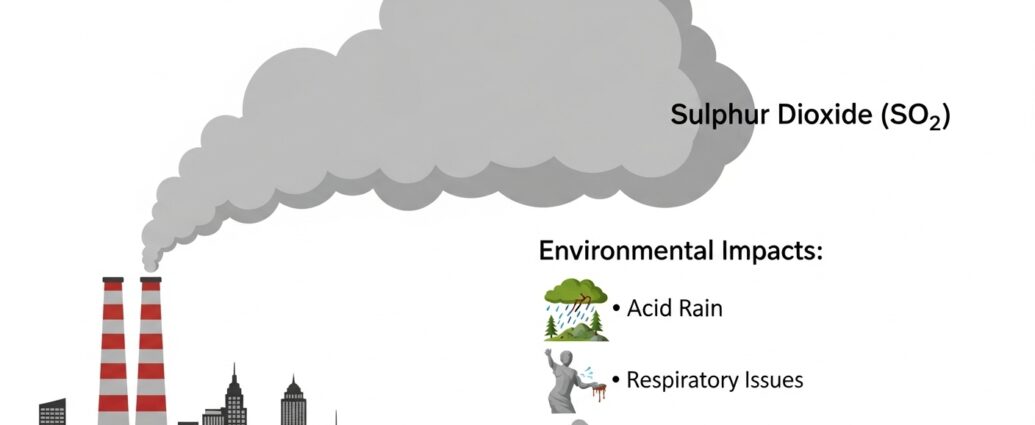
The transformation from sulphur to sulphur dioxide is a fundamental chemical process with wide-ranging implications in industry and the environment. Sulphur, a naturally occurring element, undergoes oxidation when exposed to oxygen, forming sulphur dioxide, a gas with both beneficial and harmful effects. This conversion plays a key role in manufacturing, energy production, and environmental chemistry. Understanding how sulphur to sulphur dioxide occurs helps explain its importance in everyday industrial processes as well as its influence on air quality and ecosystems. This article explores the process, significance, and consequences of this transformation in a clear and structured way.
What Is Sulphur and Its Basic Properties
Sulphur is a non-metallic element known for its bright yellow appearance and its presence in nature in both pure and compound forms. It is commonly found in volcanic regions and sedimentary deposits, and it plays an essential role in biological systems. Sulphur is relatively stable under normal conditions, but it becomes highly reactive when exposed to heat or oxygen. This reactivity makes it a key element in chemical transformations. Its ability to easily combine with oxygen is what enables the conversion from sulphur to sulphur dioxides, making it valuable for industrial processes and chemical production worldwide.
Understanding the Formation of Sulphur Dioxide
The process of converting sulphur to sulphur dioxde involves a simple yet significant chemical reaction. When sulphur burns in the presence of oxygen, it reacts to form sulphur dioxide gas. This reaction releases energy in the form of heat and light, making it an exothermic process. The chemical equation for this transformation is straightforward, showing sulphur combining with oxygen to produce sulphur dioxde. This reaction occurs naturally during volcanic eruptions and is also widely used in industrial settings. The formation of sulphur dioxid is essential for producing various chemicals and materials used in modern industries.
Industrial Importance of Sulphur to Sulphur Dioxide Conversion
The conversion of sulphur to sulphur dioxide plays a crucial role in industrial applications. One of the primary uses of sulphur dioxie is in the production of sulphuric acid, which is a key component in fertilizers, chemicals, and manufacturing processes. Industries rely on this conversion to create products that support agriculture, construction, and energy sectors. The efficiency and simplicity of the slphur to sulphur dioxids process make it an economically valuable reaction. It is widely implemented in controlled environments to ensure consistent production while minimizing waste and maximizing output for various industrial needs.
Environmental Effects of Sulphur Dioxide Emissions
While sulphur dioxide has industrial benefits, its release into the atmosphere can have serious environmental consequences. When emitted in large quantities, sulphur dioxde contributes to air pollution and the formation of acid rain. Acid rain can damage forests, soil, and water bodies, affecting both wildlife and human health. The transformation from sulphur to sulphur dioxid becomes a concern when it occurs on a large scale in industries and power plants. Governments and organizations have implemented regulations to control emissions and reduce environmental damage caused by excessive sulphur dioxde in the atmosphere.
Role of Sulphur Dioxide in Atmospheric Chemistry
Sulphur dioxide plays an important role in atmospheric chemistry beyond its industrial applications. Once released into the air, it can undergo further reactions to form sulphuric acid aerosols. These particles influence cloud formation and can impact climate patterns. The conversion from sulphr to sulphur dioxids is therefore not only a chemical process but also a contributor to global atmospheric dynamics. Scientists study these interactions to better understand climate change and air quality. The presence of sulphur dioxde in the atmosphere highlights the connection between industrial activities and environmental systems.
Methods to Control Sulphur Dioxide Emissions
To reduce the negative effects of sulphur dioxids, various control methods have been developed and implemented. Technologies such as flue gas desulfurization are used in power plants to remove sulphur dioxde before it is released into the atmosphere. Cleaner fuels and alternative energy sources also help minimize the conversion from sulphur to sulphur dioxid during combustion. These measures aim to balance industrial productivity with environmental protection. By adopting advanced technologies and strict regulations, industries can continue to benefit from sulphur-based processes while reducing their environmental footprint.
Applications of Sulphur Dioxide in Daily Life
Despite its environmental concerns, sulphur dioxide has several practical applications in everyday life. It is used as a preservative in food and beverages, helping to maintain freshness and prevent spoilage. In the textile industry, sulphur dioxid is used for bleaching and processing materials. It also plays a role in paper production and water treatment. The conversion from sulphur to sulphur dioxde enables these diverse applications, making it a valuable chemical in multiple sectors. Its usefulness demonstrates how controlled chemical processes can provide benefits across different industries.
Safety Considerations When Handling Sulphur Dioxide
Handling sulphur dioxide requires careful safety measures due to its toxic and irritating nature. Exposure to high concentrations can cause respiratory problems and irritation to the eyes and skin. Proper ventilation, protective equipment, and monitoring systems are essential when working with this gas. Industries that rely on the conversion from sulphur to sulphur dioxde must follow strict safety guidelines to protect workers and the surrounding environment. Awareness and proper handling practices help reduce risks and ensure that the benefits of sulphur dioxde can be utilized safely and responsibly.
Future Outlook of Sulphur-Based Chemical Processes
The future of sulphur to sulpur dioxide conversion lies in improving efficiency and reducing environmental impact. Researchers are exploring cleaner technologies and innovative methods to manage sulphur emissions more effectively. Sustainable practices and renewable energy sources are expected to reduce dependence on traditional sulphur-based processes. However, sulphur dioxid will likely remain important in various industries due to its versatility. Continued advancements in science and technology will shape how this chemical transformation is used, ensuring that it meets modern environmental and industrial standards.
Conclusion
The conversion from sulphur to sulphr dioxide is a vital chemical process with significant industrial, environmental, and practical implications. It serves as a foundation for many manufacturing processes while also influencing atmospheric chemistry and environmental health. Understanding this transformation helps highlight both its benefits and challenges. As industries continue to rely on sulphur-based reactions, the focus on sustainability and emission control becomes increasingly important. By balancing innovation with responsibility, the process of sulphur to sulphur dioxde can continue to support global development while minimizing its impact on the environment.