Understanding how to read a ruler is an essential skill that supports everyday tasks, from schoolwork to home projects. Many people assume it is simple, yet confusion often arises when interpreting smaller markings or switching between measurement systems. A ruler provides precise measurement in units like inches and centimeters, making it a reliable tool for accuracy. By learning how to identify each marking and understand its purpose, anyone can measure objects confidently. This guide explains the basics in a clear and structured way, helping readers develop confidence and avoid common mistakes when using a ruler.
What Is a Ruler and Why It Is Important
A ruler is a straight measuring tool commonly used to determine the length or width of objects. It typically includes markings in inches, centimeters, or both, allowing users to measure with precision. Understanding how to read a ruler is important because it ensures accuracy in tasks such as drawing, construction, and crafting. Without proper knowledge, measurements can be incorrect, leading to errors in results. Rulers are widely used in schools, offices, and professional settings. By learning how to interpret the markings correctly, individuals can improve their measurement skills and achieve better outcomes in various practical applications.
Understanding the Two Main Measurement Systems
When learning how to read a ruler, it is important to understand the two primary measurement systems displayed on most rulers. The metric system uses centimeters and millimeters, while the imperial system uses inches and fractions of inches. Each system has its own markings and spacing, which can appear confusing at first. The metric side is usually easier because it is based on units of ten, making calculations straightforward. The imperial system requires more attention due to fractional divisions. By recognizing which side of the ruler you are using, you can ensure accurate readings and avoid mixing measurement systems unintentionally.
How to Read Inches on a Ruler
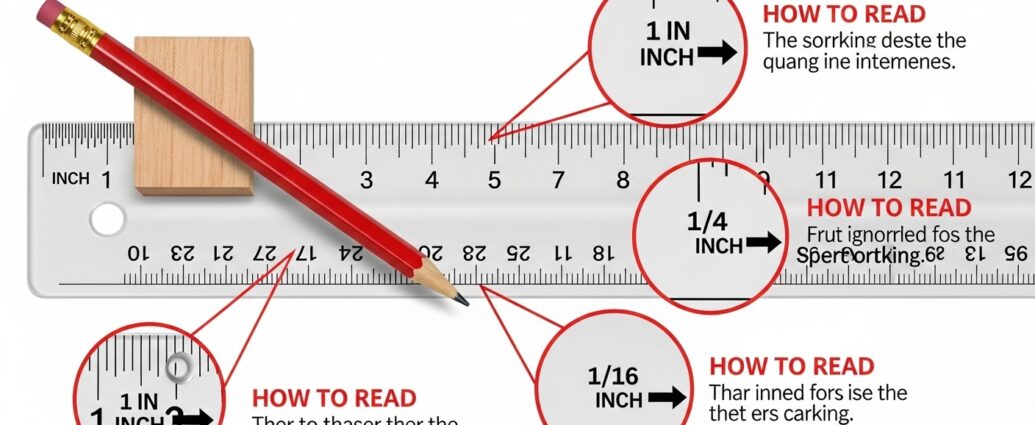
Reading inches on a ruler involves identifying both whole numbers and fractional markings. Each inch is divided into smaller segments, typically halves, quarters, eighths, and sometimes sixteenths. The longest lines represent whole inches, while shorter lines indicate smaller fractions. Learning how to read a ruler in inches requires practice in recognizing these divisions and understanding their values. For example, the line halfway between two inches represents one-half inch. By carefully observing the length of each marking, users can determine precise measurements. This skill becomes especially useful in tasks that require detailed and accurate dimensions.
How to Read Centimeters and Millimeters
The metric side of a ruler is often easier to understand because it uses a decimal-based system. Each centimeter is divided into ten equal parts, known as millimeters. The longer lines indicate centimeters, while shorter lines represent millimeters. When learning how to read a ruler in metric units, it is important to count each small division carefully. For instance, a measurement might be 5.3 centimeters, which means five centimeters and three millimeters. This system allows for precise and straightforward measurement. With regular practice, users can quickly interpret metric markings and measure objects with high accuracy.
Identifying the Zero Point Correctly
One common mistake when learning how to read a ruler is starting from the wrong point. The correct starting point is the zero mark, not the edge of the ruler. Some rulers have a small gap before the zero, which can lead to inaccurate measurements if ignored. Always align the object you are measuring with the zero marking to ensure precision. This step is essential for obtaining correct results, especially in detailed tasks. By paying attention to the starting point, users can avoid measurement errors and improve their overall accuracy when using a ruler in any situation.
Reading Fractional Measurements Accurately
Fractional measurements can be challenging, especially for beginners. Understanding how to read a ruler with fractions requires recognizing the different line lengths and their corresponding values. Each fraction represents a specific part of an inch, and the size of the line indicates its importance. Longer lines usually represent larger fractions, while shorter ones indicate smaller divisions. By learning to identify these differences, users can measure with greater precision. Practice is key to mastering this skill, as repeated use helps improve familiarity with fractional markings and reduces confusion when interpreting complex measurements.
Common Mistakes to Avoid When Using a Ruler
Many errors occur when people are unfamiliar with how to read a ruler properly. One common mistake is misreading the scale or confusing inches with centimeters. Another issue is failing to align the object correctly with the zero mark, leading to inaccurate measurements. Some users also overlook smaller markings, resulting in less precise results. To avoid these mistakes, it is important to focus on the details and double-check measurements. Developing a habit of careful observation and consistency can significantly improve accuracy. Understanding these common errors helps users become more confident and reliable when using a ruler.
Practical Uses of Ruler Reading Skills
Learning how to read a ruler has many practical applications in daily life. It is essential for tasks such as measuring furniture, cutting materials, or completing school assignments. Professionals in fields like design, engineering, and construction rely on accurate measurements for successful outcomes. Even simple activities like wrapping gifts or organizing spaces require precise measurement. By mastering ruler reading skills, individuals can perform tasks more efficiently and with greater confidence. This ability not only improves accuracy but also enhances problem-solving skills in situations where precise measurements are necessary for achieving desired results.
Tips to Improve Your Measurement Accuracy
Improving accuracy when learning how to read a ruler involves practice and attention to detail. Start by familiarizing yourself with both measurement systems and regularly using a ruler in simple tasks. Focus on aligning objects correctly and reading each marking carefully. Taking time to double-check measurements can prevent errors and build confidence. It is also helpful to measure the same object multiple times to ensure consistency. Over time, these habits will strengthen your understanding and make ruler reading second nature. With patience and practice, anyone can develop strong measurement skills and achieve precise results.
Conclusion
Understanding how to read a ruler is a valuable skill that supports accuracy in many aspects of life. From basic schoolwork to professional tasks, proper measurement ensures reliable results and reduces errors. By learning the differences between measurement systems, recognizing markings, and avoiding common mistakes, anyone can use a ruler effectively. Consistent practice and attention to detail play a key role in mastering this skill. As confidence grows, measuring objects becomes quicker and more precise. With this knowledge, readers can approach any measurement task with clarity and accuracy, making the ruler a dependable tool in everyday use.